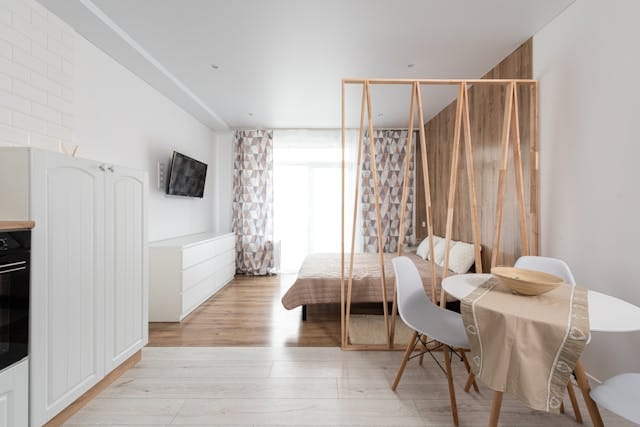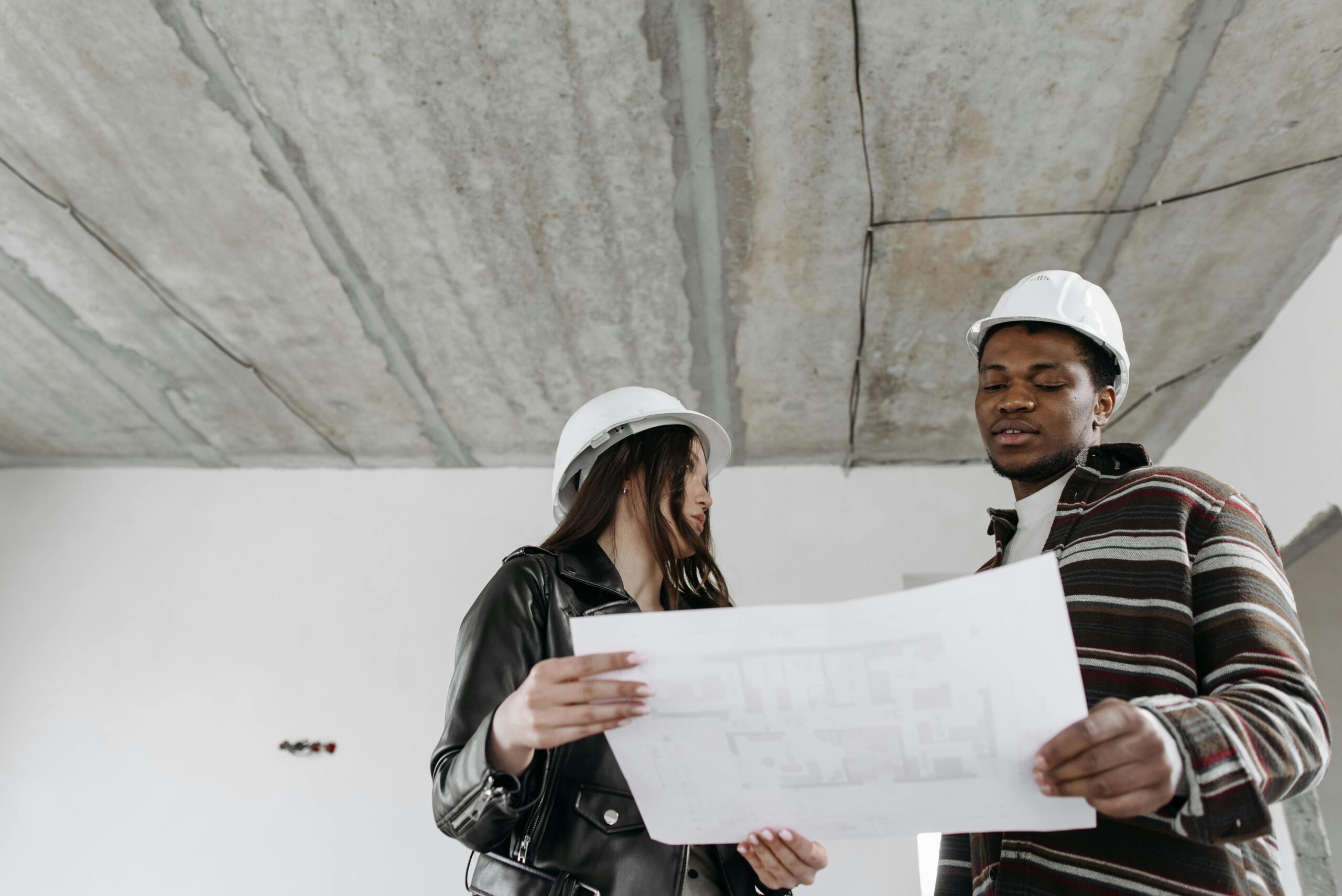
One of the most fulfilling things in life is having an opportunity to design your own house according to your taste, a design that matches your lifestyle and budget along with what you want to do with it in the future.
DIY house plan designs in South Africa usually come with mistakes that will end up costing more than if you had hired a professional. Using free software and online templates to make these plans may hide mistakes that would later cause delays, budget overruns, and even compliance issues with the municipality. Here are the 5 most common mistakes people make when designing their own house plan and ways you can avoid them.
Ignoring The Local Building Regulations and Plot Restrictions
Your worst mistake would be ignoring the municipal building regulations when designing your own house. The municipal building rules require you to consider the following when building:
- You are given a coverage limit, which is the maximum percentage your house can occupy in your plot.
- Follow the required setback rules, these are minimum distances from boundaries.
- Comply with the height restrictions in your area, mainly in estates or urban areas.
- There are different Zoning rules set for residential, agricultural, mixed-use, etc.
For Example: Some municipalities allow only 50% coverage on a 400m² plot, which means your house footprint is limited to 200 m² without setbacks.
What should you do to avoid this mistake:
- Consult with the municipal planning department in your area to get proper zoning rules and building regulations for your plot before doing your house plan.
- Follow the rules to guide your design
Underestimating The Room Size and Layout Planning
Most of the time the room size would look big enough on paper until the actual construction, then it looks small and cramped.
This is because:
- No one considers the furniture sizes on paper
- The passageways become narrower in reality
- The rooms lack proper natural light or ventilation
- In reality, doors and windows are placed awkwardly
For Example: A 3 m x 2.8 m bedroom design would only fit a double bed and not leave space for wardrobes or free space for movement.
What should you do to avoid this mistake:
- Include furniture space in your drawings by measuring your current furniture
- Include an extra 900 mm in bedrooms for pathways and space to walk around.
- Choose free floor plan apps that give you an opportunity to include furniture to scales when drawing.
Ignoring Future Needs
Most people only think about their current plans when building, yet they do not leave room for life changes like family growth, expansion, aging, and future sale possibility.
For Example: You may think a 2-bedroom design right now is perfect for you and your partner until later when you decide to have kids and need more space.
What to do to avoid this mistake:
- Make room for potential expansion in future when designing
- Build in a way that load-bearing walls and roof designs allow future extensions
- Include multipurpose rooms that can be used for something else in the future.
Layout Floor Issues Between Spaces
A poorly designed floor between rooms can ruin the whole floor plan and give an imbalanced, unpleasant look.
Popular layout flow problems can be:
- A huge distance between kitchens and dining areas
- Bedrooms without passages which now open directly into the living room
- Awkwardly positioned bathrooms bathrooms with no privacy
- The house and garage
What to do to avoid floor plan layout mistakes:
- Combine sharing spaces like living, dining and kitchen together
- Private rooms like bedrooms and bathrooms should be kept away from public eye
- Incorporate transition spaces such as foyers and passages
- Consider people’s day-to-day movement around the house
Ignoring The Climate and Energy Efficiency
One of the most important things to take into consideration when building in South Africa is ventilation, shading, and orientation because ignoring them can result in uncomfortable living conditions and increased energy costs because of the diverse environment.
For example, having wide windows facing west in Gauteng without any proper shade would make your living room increasingly hot throughout the summer.
What to do to avoid this error:
- Living spaces should face the north to get the most out of the winter sun and the least amount of summer heat.
Make use of pergolas or roof overhangs to make shade for windows facing the west. - Every room must have cross ventilation to decrease the need for air conditioning.
Pro Tips for Designing a Successful DIY House Plan
- Make a list starting with the needs first to decide what is necessary before drawing
- Scale your work so it helps you identify size problems on early stages, e.g. a 1:100 drawing
- Consider built-in cupboards, a kitchen pantry, and garage storage to maximize space and create room for free space.
- Even if you created the design yourself, get a professional evaluation before submission.
Final Thoughts
Creating your own house plan in South Africa gives you a great opportunity to customize your house to your personal taste and possibly save money. To avoid costly design errors that will cost much more to repair at a later stage, plan ahead, obey the local building laws, get a professional evaluation for your plan, and leave room for future extensions.