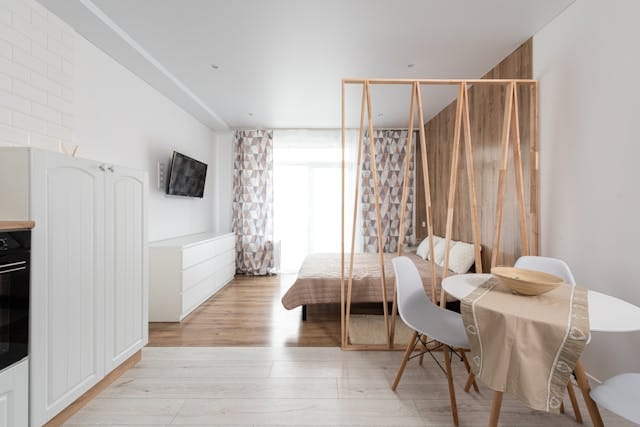
Nothing beats the satisfaction of having your own home as an adult in South Africa. The biggest bump holding us back from having a home is the lack of money; not everyone can build a whole house from scratch with cash, and this is where building loans come to the rescue. A building loan is different from a regular loan since a standard loan is a one-off payment from the bank, while the funds are released in stages with a building loan. A building loan is important because it protects both the bank and the clients and ensures that the funds loaned are used exactly for what they were applied for. They start releasing foundation funds in stages all the way to the roofing stage. As wise and responsible as it sounds, you need to pass specific requirements to qualify for this loan.
How Does a Building Loan Work
Applying for a building loan at the bank is different from other regular loans; you do not get a full approved amount in your account for security reasons and for the protection of both the client and the bank. After depositing foundation funds as approved, the bank sends inspectors to make sure the progress is compliant with the building laws and according to the plan. After the approval, the bank will release the second batch of money to your builder to build the walls, then inspection, then the same process with the roof until the building is complete.
This kind of staged payment system ensures that you only pay the interest of the portion of the loan that has been completed at each stage and not the full amount that was agreed on from day one. As much as this helps new homeowners with affordable payments during construction, it also means you must plan your cash flow carefully before your building budget drowns you.
Banks’ Requirements For A Building Loan
As much as banks are there to help you build your dream home, they also want to protect themselves from risks like a construction project running into problems just because building costs were underestimated. They also risk loss if the builder is unreliable or if there are delayed approvals. To prevent themselves from running into problems like this, South Africa Banks need the following requirements before approving building loans :
- An approved building plan from your local municipality (nonnegotiable)
- A signed building contract that includes the actual project timeline, costs, and duties with a registered builder.
- Tangible proof that your builder is registered with the NHBRC (This is non-negotiable)
- A quantity surveyor’s bill of quantities or cost breakdown just to confirm how realistic your budget is.
- Usual financial documents are needed, such as proof of income, bank statements, and a good credit record that confirms that you can afford repayments.
To show commitment to repayment and lower the bank’s risk of loss, most banks require you to pay a deposit of 10-20 percent of the total building amount.
Why Do Many Applications Fail?
Banks require someone to apply for a loan after finishing with all the required paperwork. Most people get rejected by the bank because they tried applying without the municipal building approval or they engaged a builder who is not registered with NHBRC . Some people get rejected because they have underestimated the building costs; your building budget must have contingency costs because building is more expensive than we actually think, and if the bank deems your budget as unrealistic, then you are doomed. This is where the importance of a quantity surveyor is, with the bill of quantities that reassures the bank that a professional has cost your project correctly.
No matter how perfect your building plans are, the bank will not approve your loan with unpaid debts or weak payment record.
A Checklist To Get Ready For A Building Loan Approval In South Africa
As overwhelming as it is, if you prepare thorough;y, it can be easy to get a building loan approval form the bank. These are the requirements the bank won’t compromise on:
- Get the local municipality to approve your house plans
- Employ an NHBRC-registered builder and sign a detailed contract with them after proof of certification.
- Get a quantity surveyor or registered builder to prepare your bill of quantities for a realistic and transparent budget.
- Make sure you have all the financial documents required, like payslips, tax returns, and bank statements.
- Save at least 10 to 20% as a deposit to the bank to show commitment to repayment.
- Settle any outstanding debts before applying and check your credit score
If you have all the above documents, then your home building approval loan could be easier.
Banks That Offer Building Loans in South Africa
The most reliable banks you can count on when applying for a building loan in South Africa are ABSA, Standard Bank, FNB, and Nedbank, and their requirements and repayment options vary; all you have to do is choose the one that works better for you. Capitec has a competitive alternative working with SA Home Loans for better deals.
While comparing constructions and repayment plans, also consider interest rates, inspection fees, and release schedules.
Final Thoughts
With the right and informed careful preparation, a construction building loan can turn your dreams of owning a home in South Africa into a reality. Before handing that application to the bank, make sure you have a building approval from the municipality, a registered builder with the NHBRC, up-to-date financial documents, and a bill of quantities from a surveyor for a realistic budget.