The rise in land costs in South Africa has affected land pricing, causing a hike in prices and urban spaces reducing in size. Small residential plots are now common in South Africa; although a 200 m² plot is considered small, you can still create a comfortable, functional, and beautiful home in the area. Understanding the municipal building regulations, coverage restrictions, and smart design techniques can be a key to designing a wonderful home in a small space.
The following processes are crucial;
1: Learn Building Coverage Rules
Understand that the coverage percentage is a portion you can build on the ground floor area in your plot.
Here are the standard municipal rules in South Africa:
- Single residential zoning: you are usually allowed to cover 50–60% of the plot.
- Some areas can allow more or less spaces depending on zoning, setbacks, and height restrictions.
Example; On a 200m² plot, you can build 100m² per floor at 50 percent coverage. If you opt for double-storey, you get to have up to 200m² total floor space.
TIP: It is mandatory to confirm the coverage rules with your local municipality before drawing plans as they may differ from one town to the other.
Understanding Setbacks and Height Restrictions
Setbacks have an impact on your home’s usable footprint, they are the spaces you have to leave between the house you build and your plotlines.
Standard setbacks on tiny plots are:
- Front setback line: 3–5 metres
- Side setback line: 1–2 metres
- Back setback line: 2–3 metres
The general height limits are usually 2 stories (sometimes 3 if zoning allows) for single residential zoning.
Your building’s design has to adhere to both coverage percentage and setback line.
Examples of House Sizes on 200 m² Plots
Get an understanding of how different designs look in terms of size:
| Design Type | Stories | Coverage % | Usable Floor Space |
| Compact Single-Story | 1 | 50% | 100 m² |
| Double-Story Home | 2 | 50% | 200 m² |
| Narrow Duplex Units | 2 | 60% | 240 m² total (2 units) |
| Small Cottage + Garden | 1 | 40% | 80 m² |
Making The Most Of Space With Tactful Design
No matter how small the plot is, a beautiful, spacious, useful space can still be created.
Here are design tips for building on 200 m² plots in Johannesburg:
- Choose to go up; opting for a double-story design will double your usable space without taking up all the ground floor space.
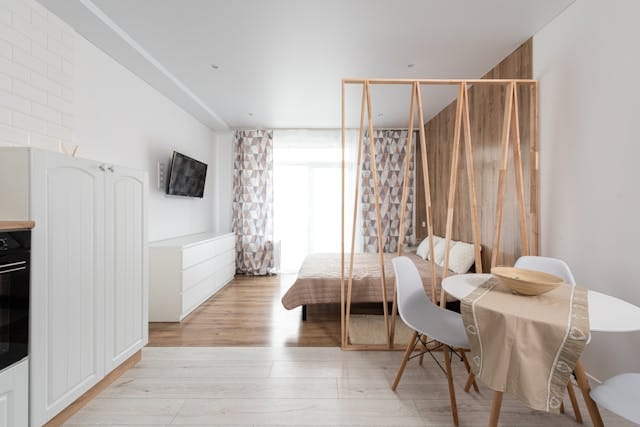
- Choose an open-plan design, as it reduces wasted corridor space.
- Make use of multipurpose spaces e.g, a guest room can also be used as a home office.
- Including outdoor living design like a tiny balcony or patio gives an illusion of a larger home.
- Reduce clutter by including built in shelves and furniture.
Rules On Parking and Outdoor Space on 200 m²
For small homes, you are allowed to have at least one off-street parking space, and this may reduce your building space. Alternatively, you can include a tandem driveway beside the house or build a garage on the ground floor.
NB: An outdoor space is an asset for resale; it is advisable to incorporate garden or patio areas in your building design.
Legal and Planning Requirements
- You cannot begin any construction until your plans are approved by your municipality.
- You must be compliant with zoning; some areas prohibit second homes and granny flats.
- You have to register with the NHBRC if the building is new and not just a renovation.
- Your structural designs must be approved by engineers, especially for double-story homes.
💡 Warning: Beginning construction without approved plans can lead to fines or demolition orders.
Small Plot House Plan Examples
Here are three potential designs for inspiration to get you started on a 200 m² plot:
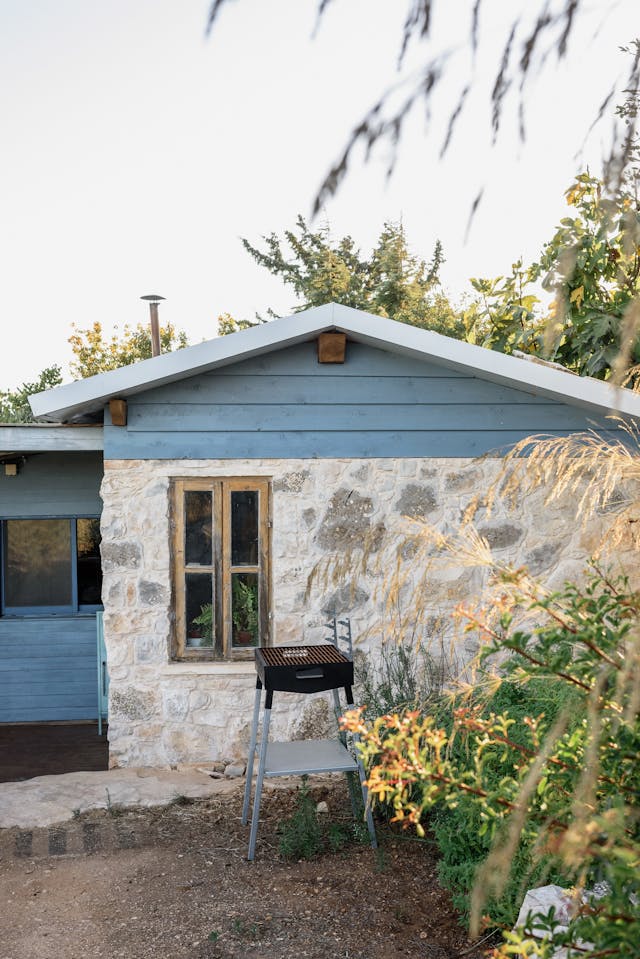
1. 3-Bedroom Single-Story Compact Family Home
- 2 bedrooms
- 1 Bathroom
- Open-plan kitchen and living room
- Single Car Garage
- 100m² footprint
2. 4-Bedroom Modern Double-Story
- Three Bedrooms
- Two Bathrooms
- Balcony at the top
- Open-plan living room design with sliding doors to a courtyard
- Footprint: 100m² downstairs + 100m² upstairs
3. Dual-Living Apartments
- Two 2-bedroom apartments (one on the ground floor and one upstairs)
- Both have their own entrance
- Beneficial for rental income
- 120 m² footprint
Prepare For The Building Costs
Building expenses in South Africa vary due to certain factors; the following is a rough estimate for prices in 2025:
- Simple finishes may costs roughly R6,000–R8,000 per square meter
- Midrange finishes may be between R8,500 and R12,000 per square meter
- Expensive finishes goes up to R12,500+ per square meter
For example: A 200 m², two-story house would cost about R1.7 million at R8,500 per m² cost.
Benefits of a Smaller Plot
- Reduced buying cost
- Minimal maintenance in the garden
- Municipal rates are lower
- Encourages sustainable and effective design
Final Word
Despite the small size, a 200 m² plot can have a beautiful and functional home. You can either choose to build a cozy single-story house or a double-story family home according to your desires. Besides the limit of a small space, you have to adhere to zoning laws and coverage requirements while also considering your inventiveness. For a smooth building project, check your municipal regulations before building and get a professional architect/draughtsman to make the most of your building space legally and aesthetically.
The rise in land costs in South Africa has affected land pricing, causing a hike in prices and urban spaces reducing in size. Small residential plots are now common in South Africa; although a 200 m² plot is considered small, you can still create a comfortable, functional, and beautiful home in the area. Understanding the municipal building regulations, coverage restrictions, and smart design techniques can be a key to designing a wonderful home in a small space.